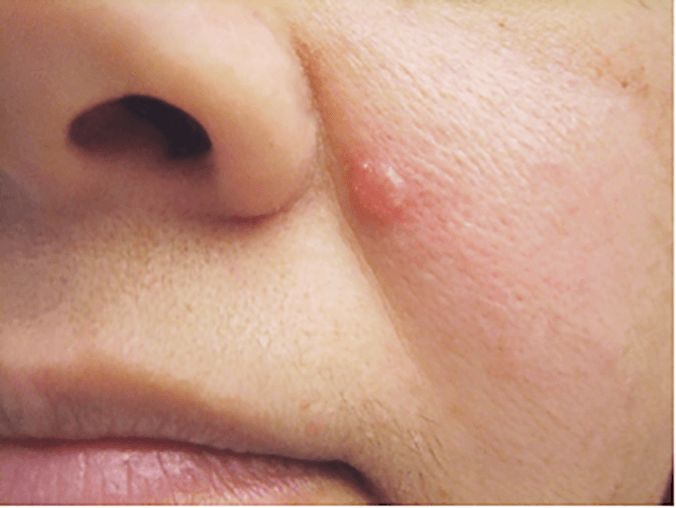
Basal cell carcinoma (BCC) is the most common form of skin cancer, accounting for roughly 8 in 10 skin cancer diagnoses. It develops in the basal cells of the outer skin layer, most often on sun-exposed areas like the face, ears, neck, and scalp.
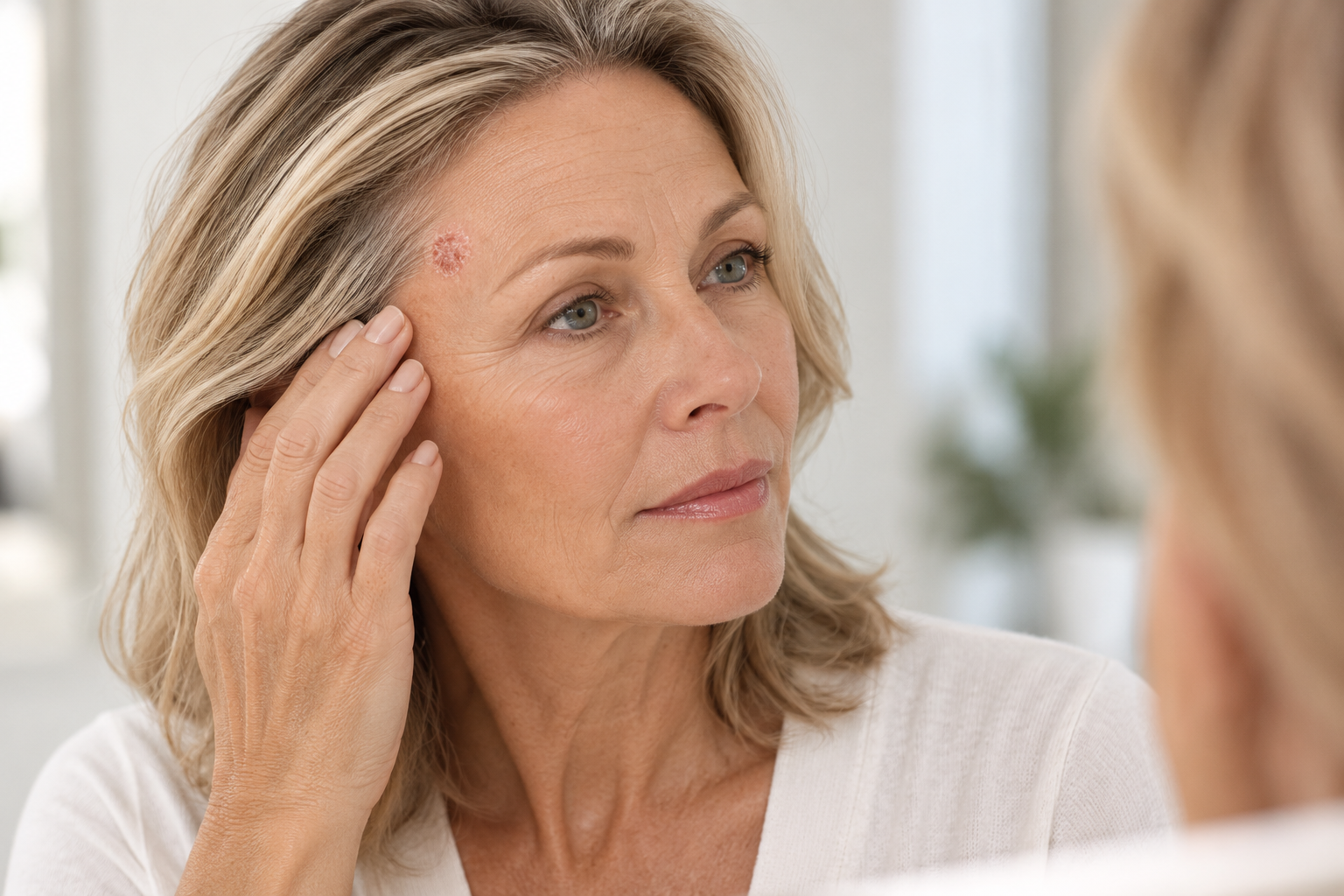
Squamous cell carcinoma (SCC) is the second most common form of skin cancer, developing in the flat, thin squamous cells that make up the outer layer of skin. It typically appears in sun-exposed areas like the face, ears, lips, neck, and hands
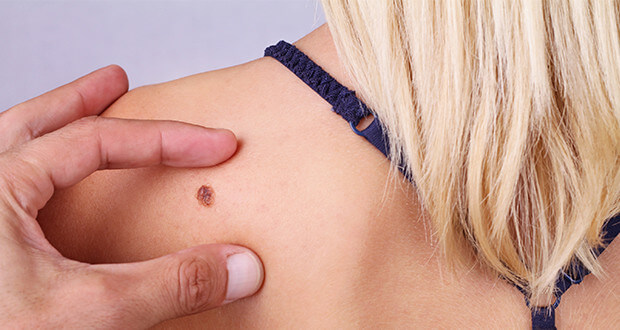
Melanoma is the most serious form of skin cancer. It develops in melanocytes, the cells that produce pigments, and while it accounts for a smaller share of skin cancer diagnoses than basal cell or squamous cell carcinoma, it’s responsible for the large
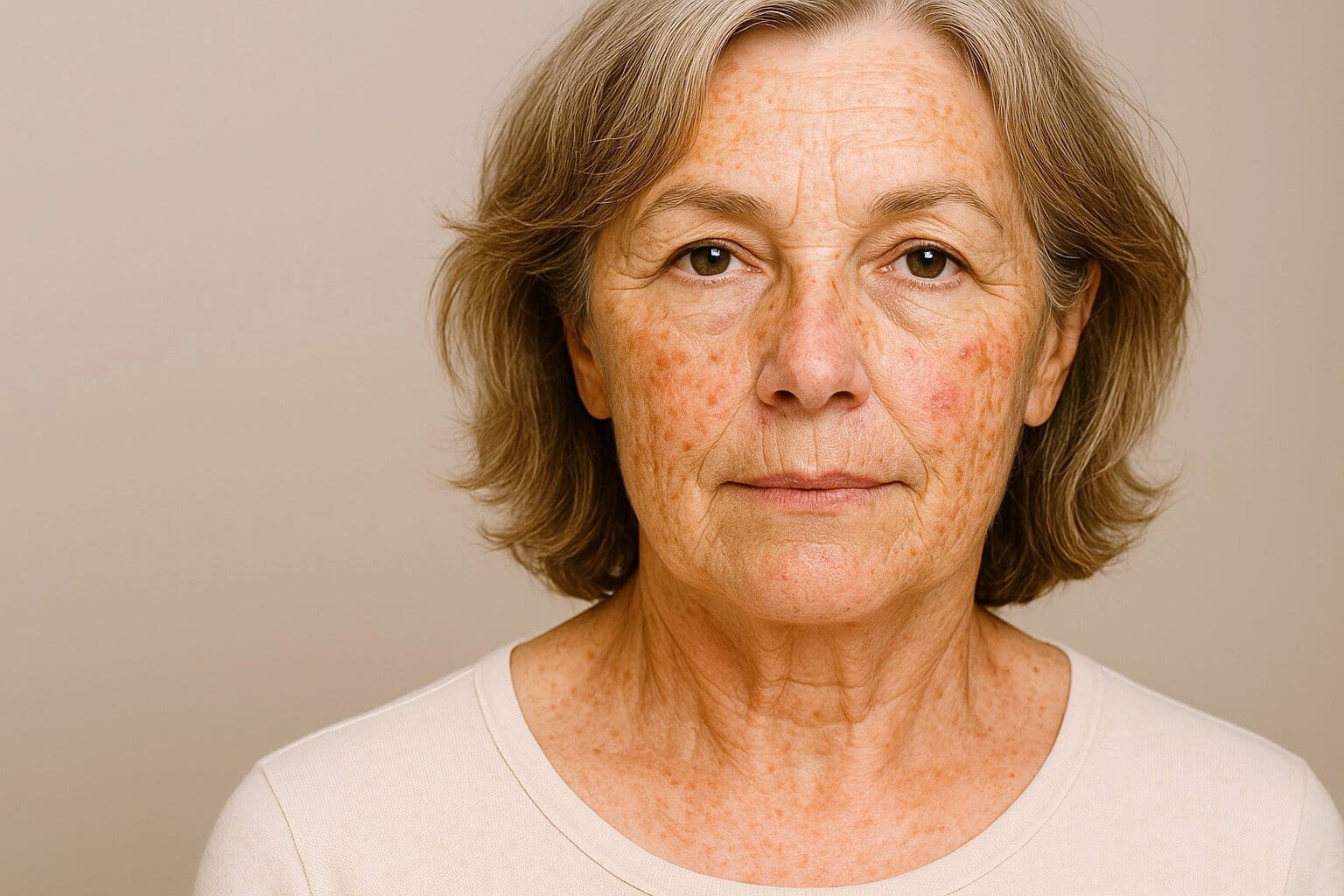
Actinic keratosis (AK) is a rough, scaly patch of skin caused by years of cumulative sun damage. It’s the most common precancerous skin condition in the United States, and while a single AK carries a modest risk of progressing to skin cancer, that risk climbs
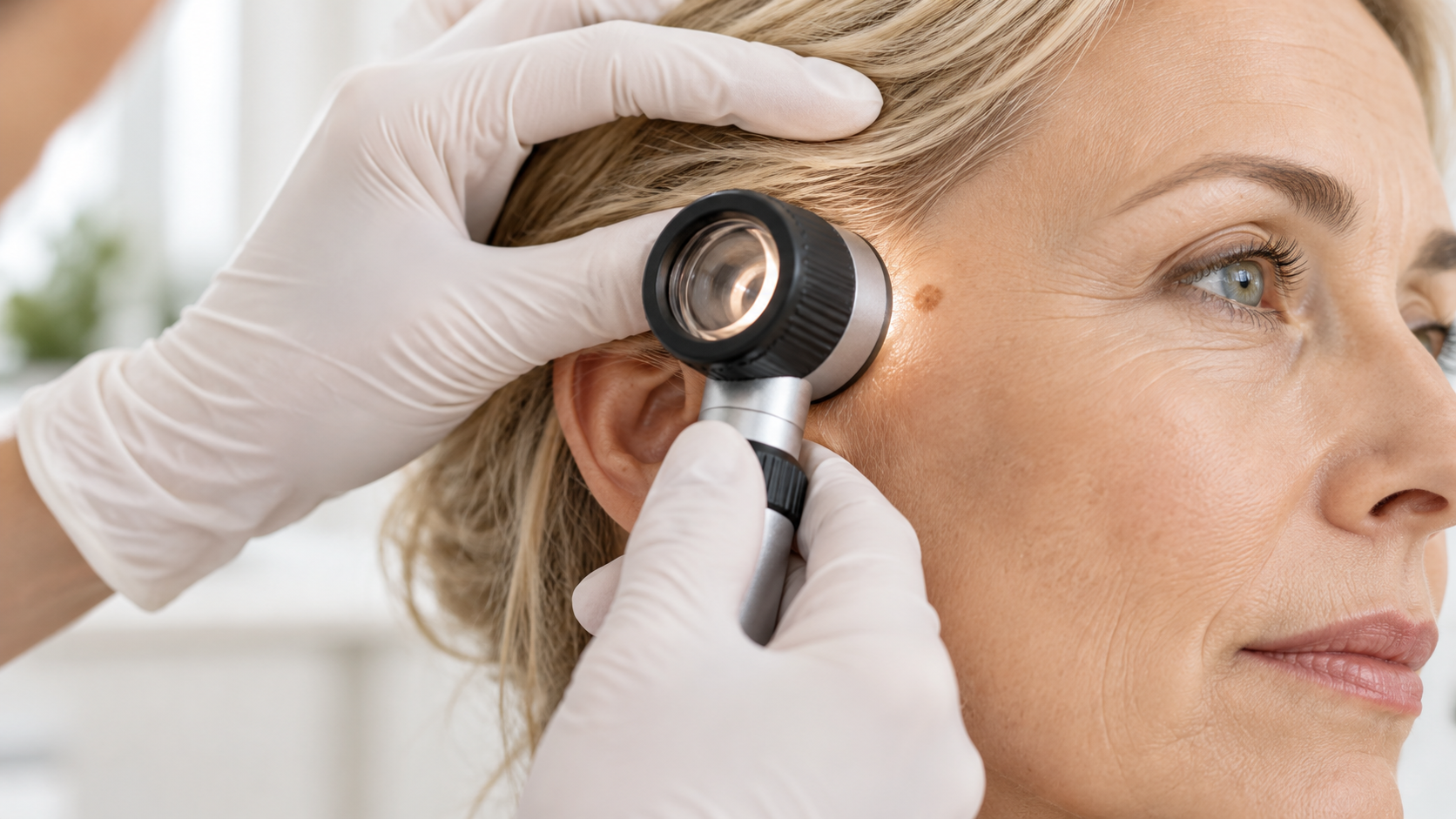
Regular skin cancer screenings and mole checks are two of the simplest, most effective ways to catch skin cancer early, often before it’s visible to the untrained eye. Skin cancer is the most common cancer in the United States, and moles are where melanoma
Moles are one of the most common skin growths, and most adults have somewhere between 10 and 40 of them. The vast majority are completely benign and simply a normal part of having skin, but moles vary quite a bit in how they form
Acne is one of the most common skin conditions we treat, affecting teenagers and adults alike, and it’s also the leading cause of acne scarring, one of the most common long-term effects of inflammatory breakouts. Acne develops when hair follicles
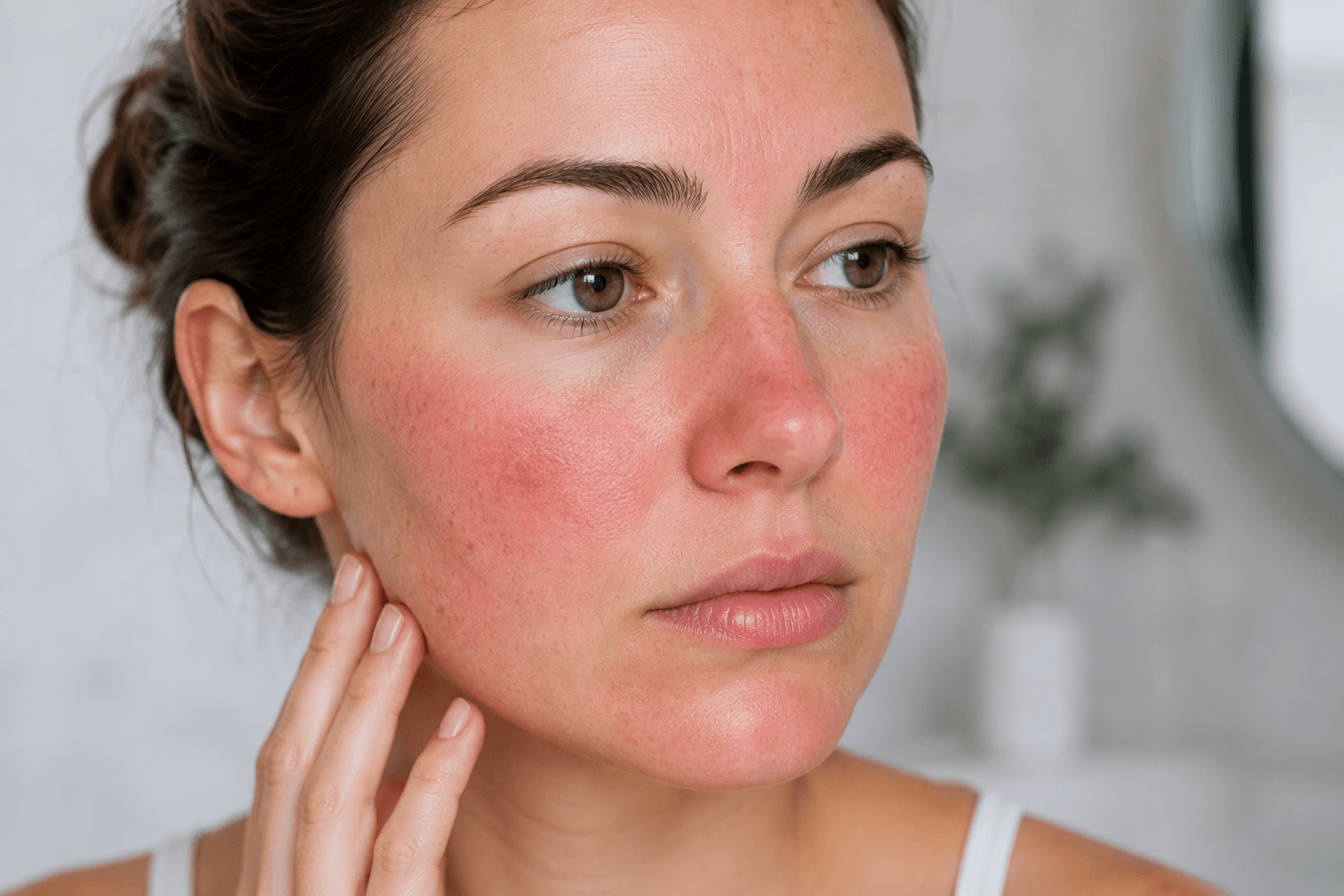
Rosacea is a chronic inflammatory condition that causes facial redness, flushing, and, in some cases, acne-like bumps or visible blood vessels. It typically affects the center of the face and tends to worsen gradually without treatment.
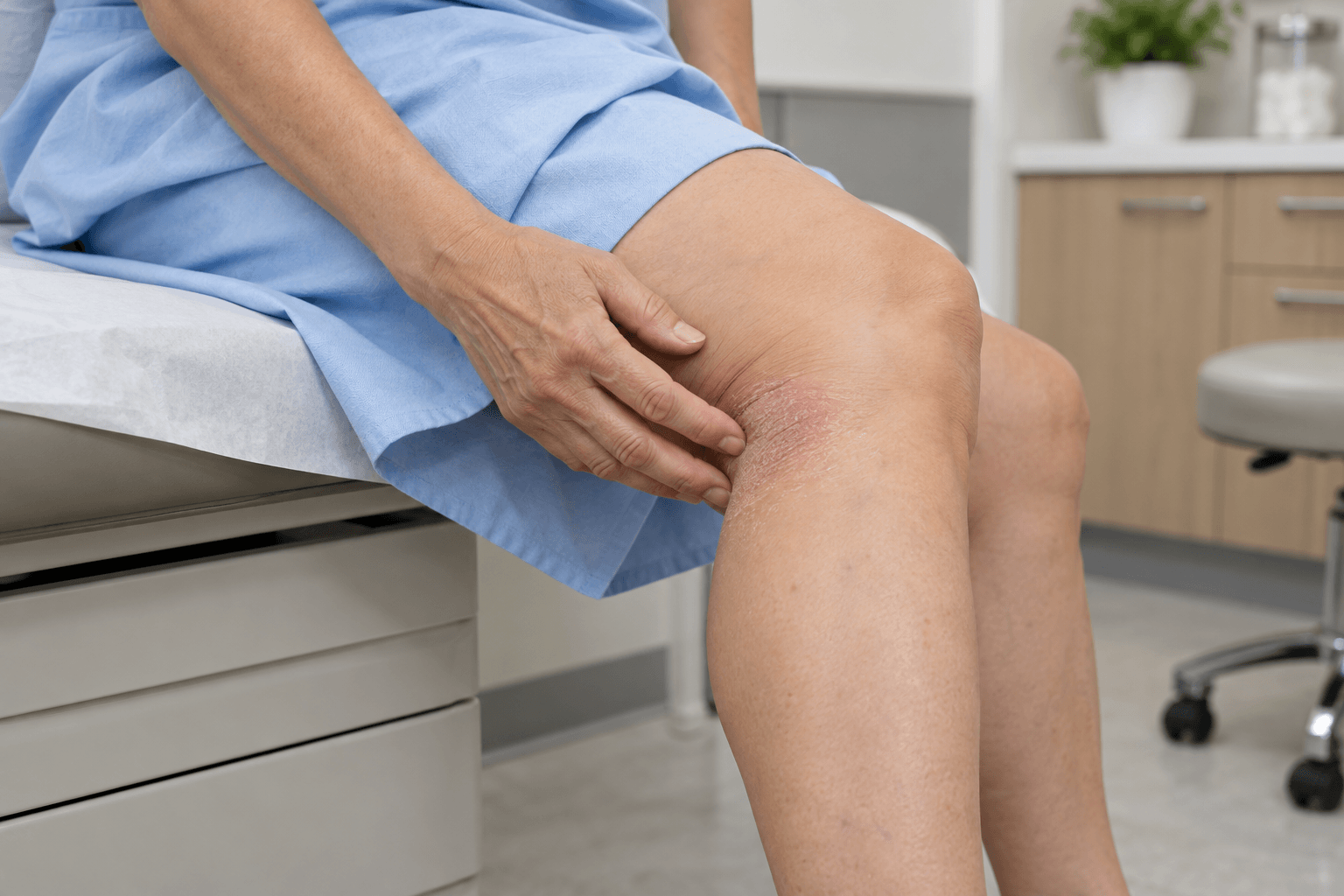
Eczema, medically known as atopic dermatitis, is a chronic condition that causes red, dry, and intensely itchy patches of skin. It often begins in childhood and is linked to a combination of genetics, immune system activity, and a weakened
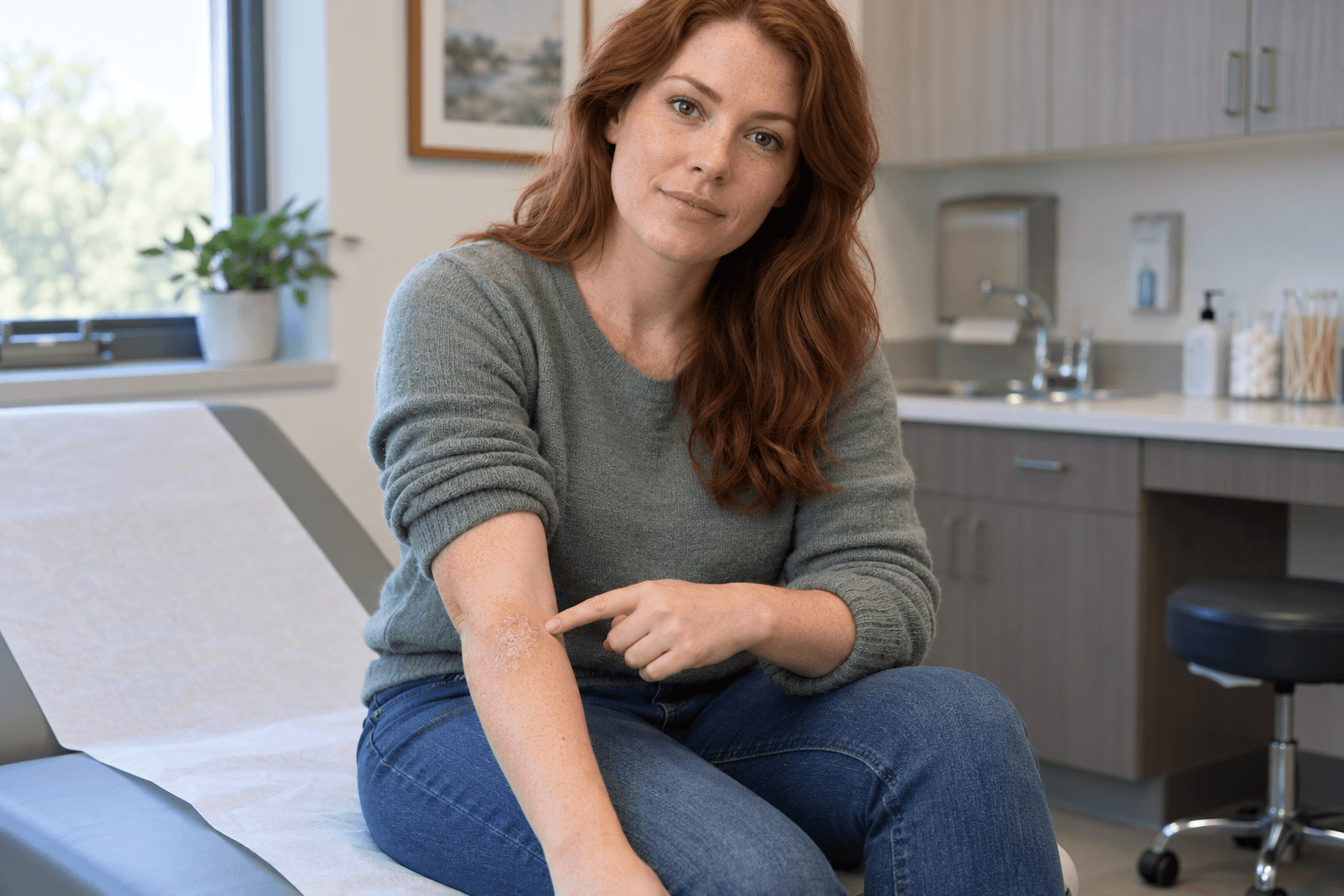
Psoriasis is a chronic autoimmune condition that causes skin cells to build up rapidly on the surface, forming thick, scaly plaques. It affects roughly 2 to 3% of the population, and about 1 in 4 people with psoriasis also develop psoriatic arthritis
Dermatitis is a general term for inflamed, irritated skin, and it covers several distinct conditions, most commonly contact dermatitis and seborrheic dermatitis, that share overlapping symptoms but have very different causes.
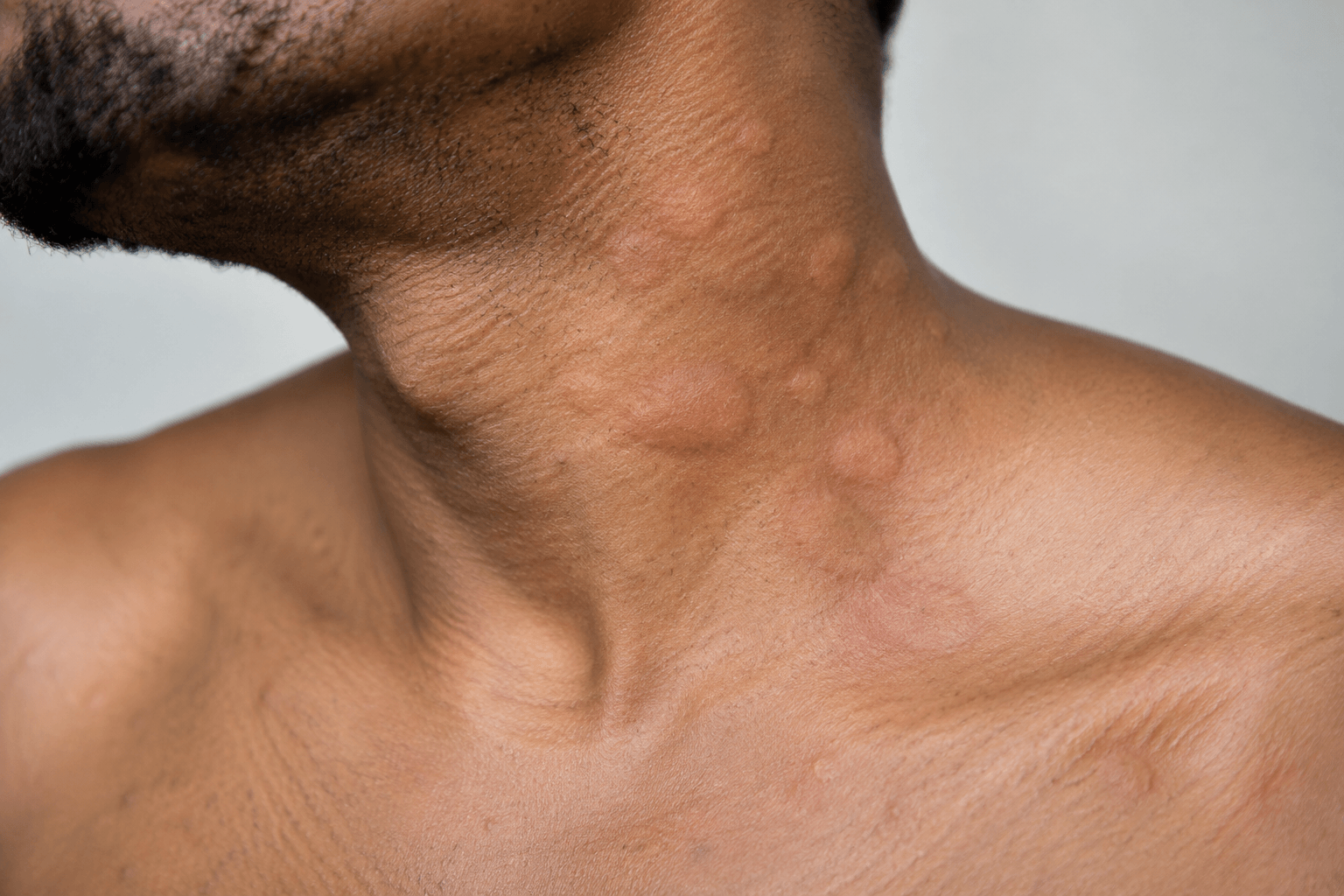
Hives, medically known as urticaria, are raised, itchy welts that can appear suddenly and shift locations over the course of hours. Most cases are acute and resolve within days, tied to an identifiable trigger like a food, medication, or infection.
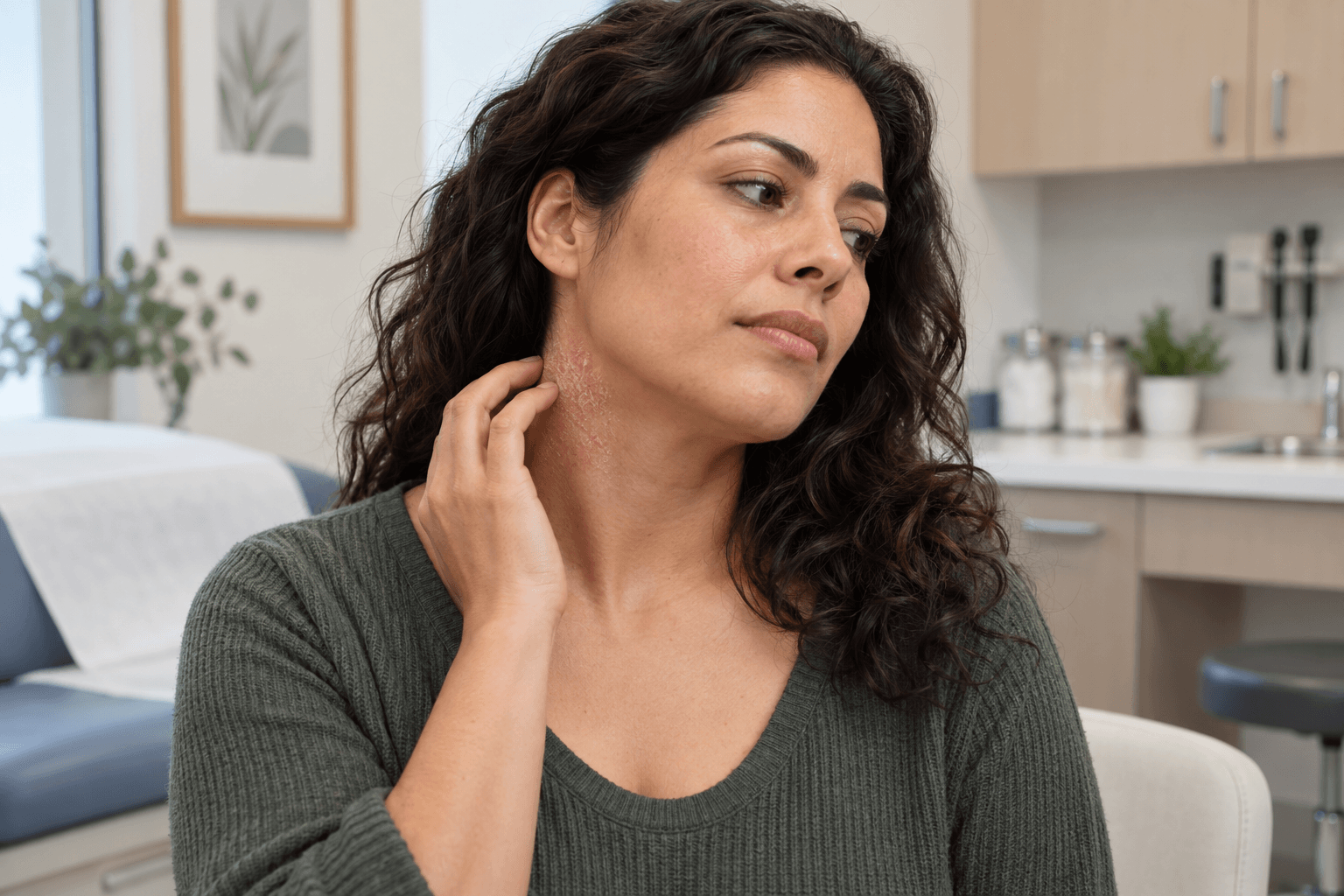
Persistent dry skin, unexplained itching, or a rash that won’t resolve are among the most common reasons patients visit a dermatologist, and for good reason: these symptoms can stem from anything as simple as dehydrated skin or as significant as an underlying medical condition.
Hair loss is one of the most common concerns dermatologists see, and it can stem from several very different underlying causes, from genetics to hormonal shifts to a temporary reaction to stress or illness. Losing 50 to 100 hairs a day is normal
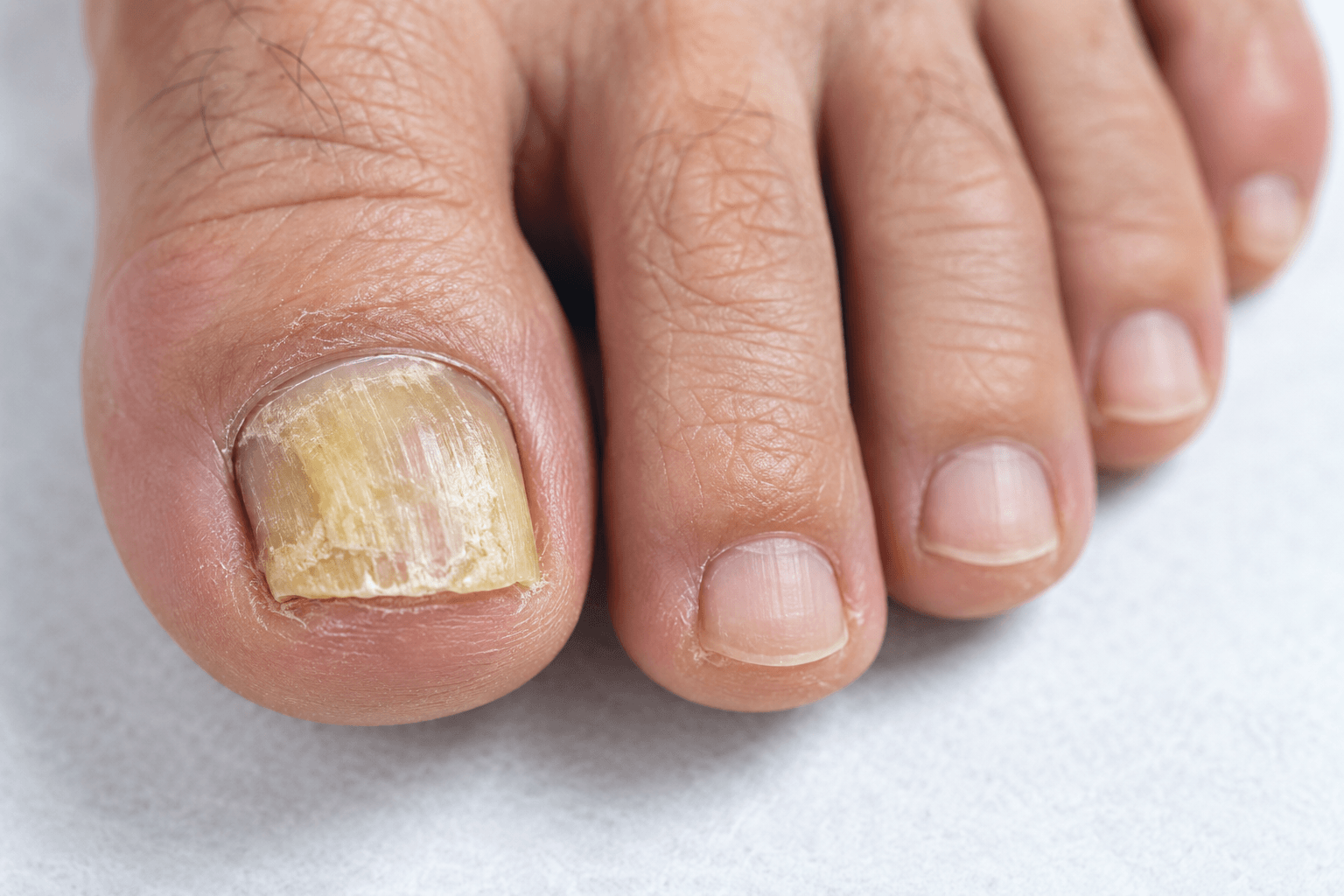
Nail changes are easy to dismiss as a cosmetic issue, but nails can reflect a surprising amount about your overall health, from a simple fungal infection to nail psoriasis to, in rarer cases, an early sign of skin cancer or an underlying systemic condition.
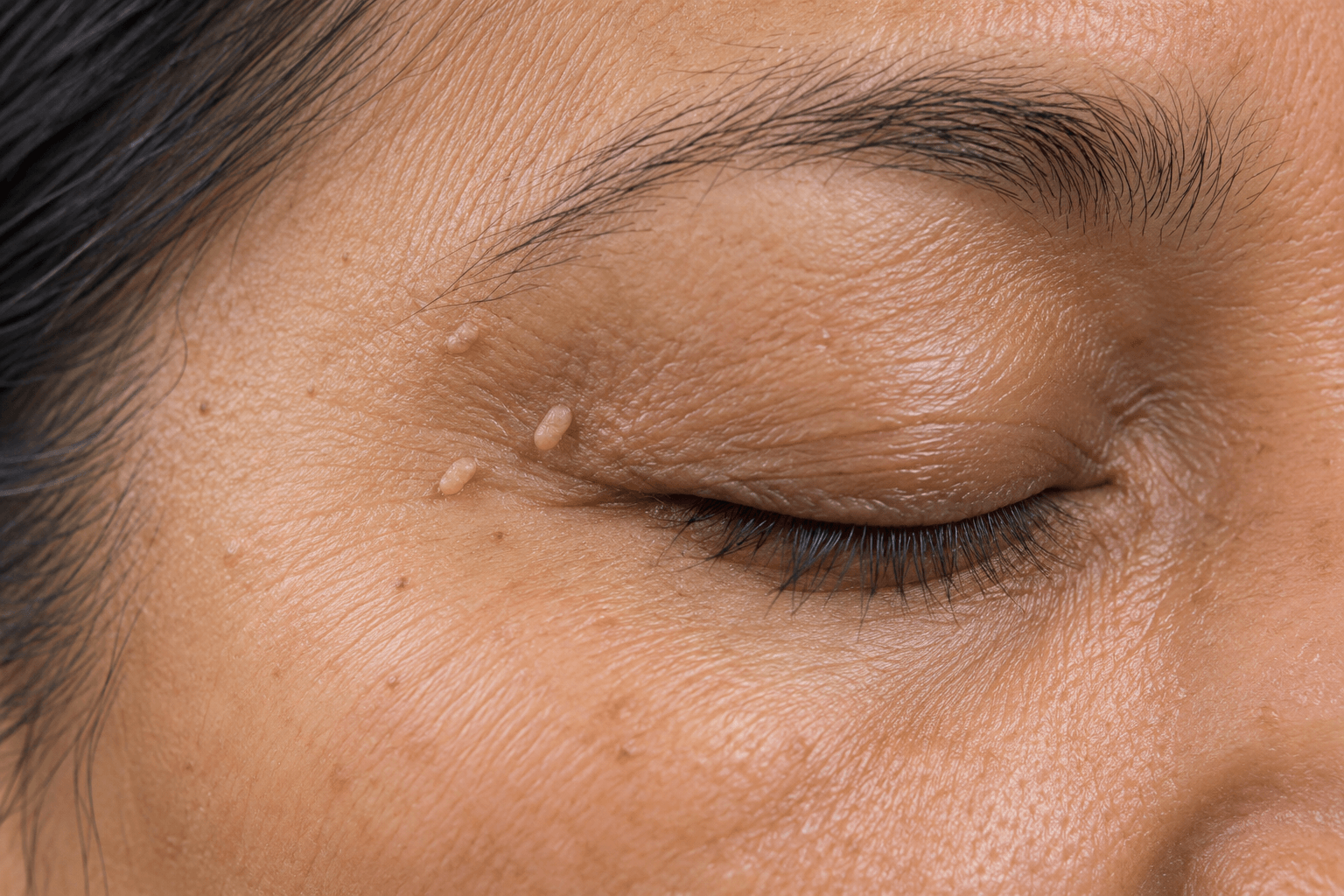
Skin tags are small, soft growths of skin that commonly appear in areas where skin rubs against skin or clothing, like the neck, underarms, and eyelids. They’re extremely common, harmless, and increase in frequency with age..
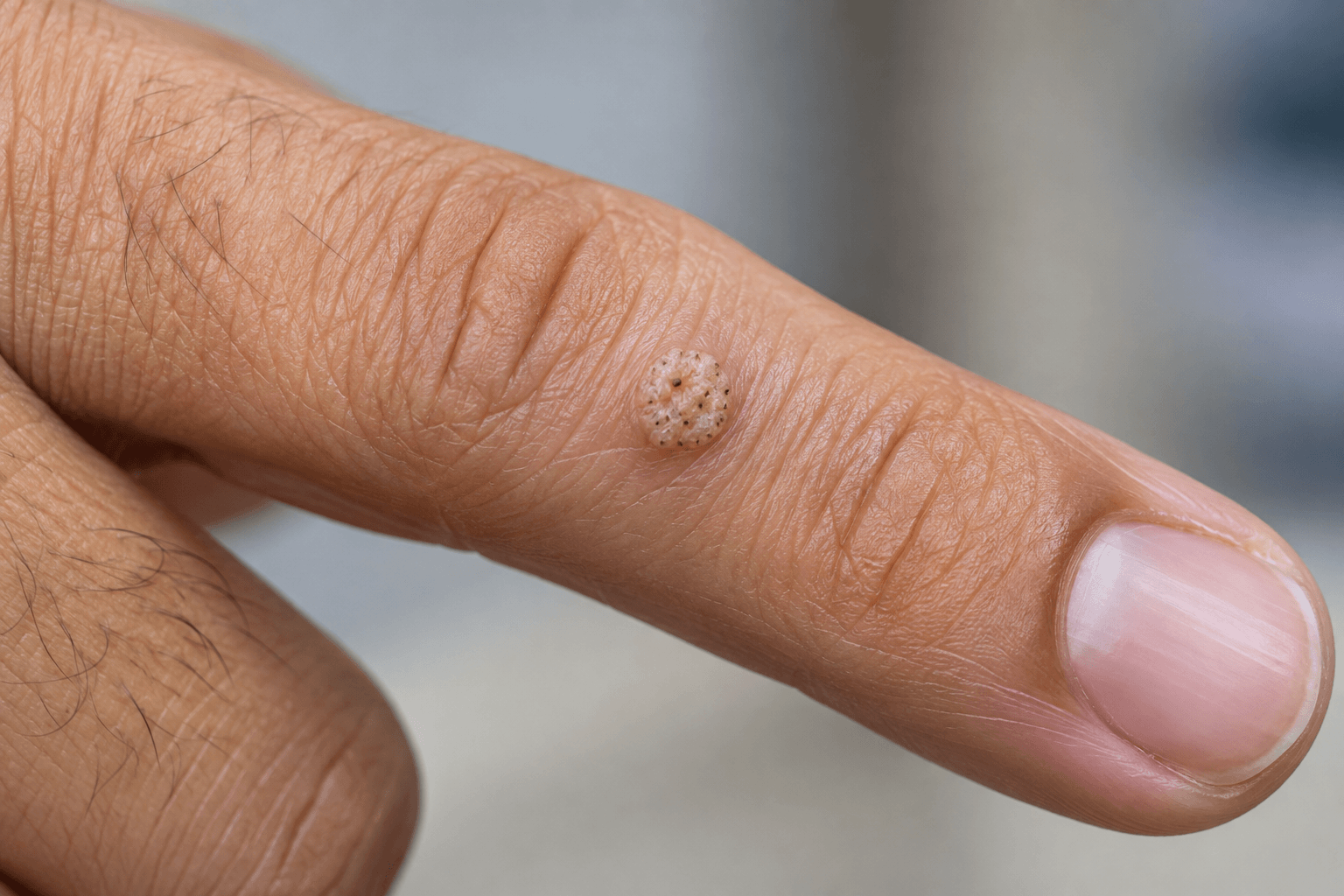
Warts are small, rough skin growths caused by the human papillomavirus (HPV), and while they’re usually harmless, they can be stubborn, contagious, and, depending on their location, uncomfortable or embarrassing.
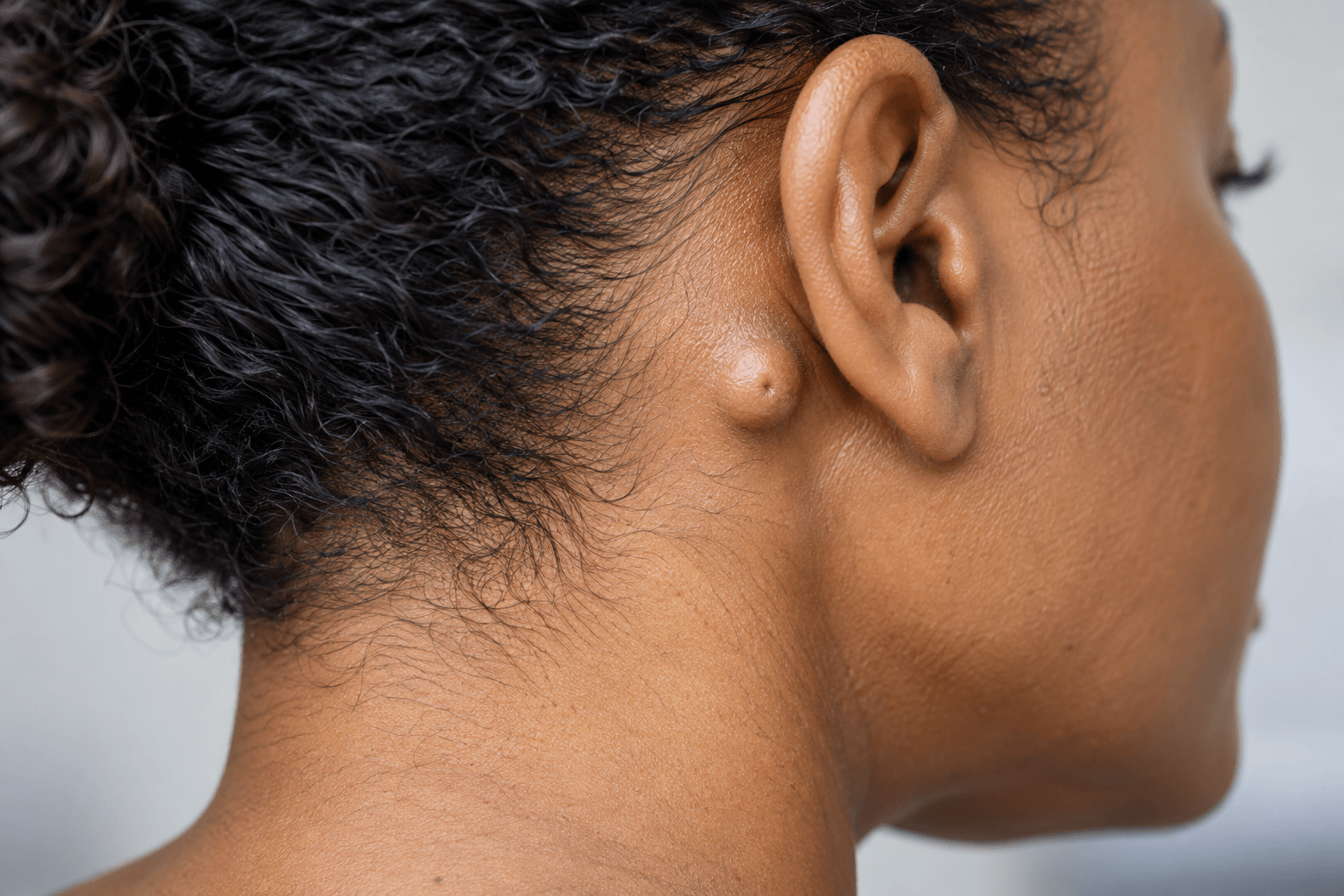
Skin cysts, most commonly epidermoid cysts (sometimes called sebaceous cysts), are round, dome-shaped lumps that form just beneath the skin’s surface. They’re usually painless and slow-growing
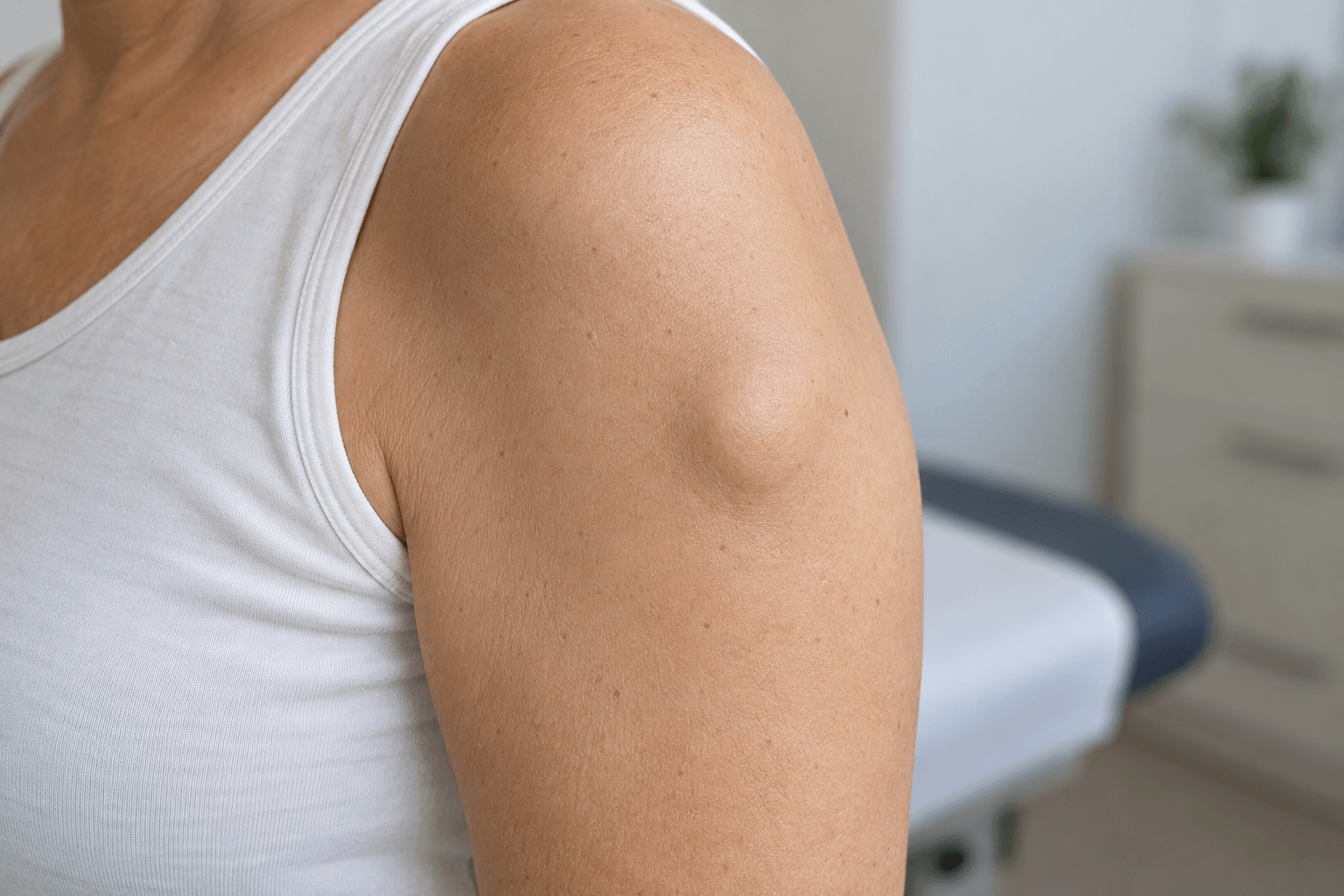
Lipomas are soft, slow-growing lumps made of fat tissue that develop just beneath the skin. They’re the most common type of soft tissue growth, almost always harmless, and typically don’t require treatment unless they’re causing discomfort or cosmetic concern.
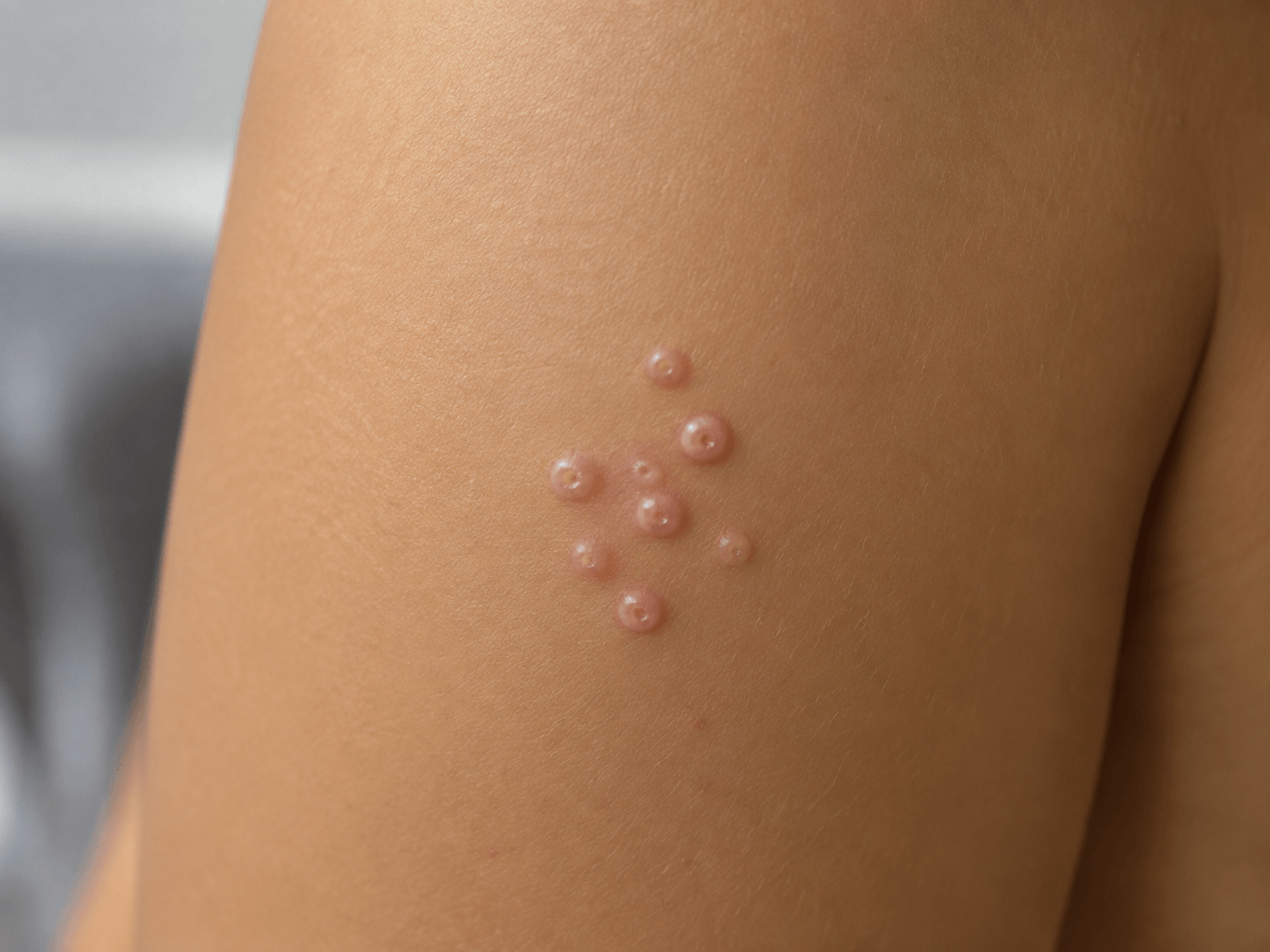
Molluscum contagiosum is a common viral skin infection that causes small, firm, pearly bumps, most often seen in children but occasionally in adults as well. It’s highly contagious through skin-to-skin contact…
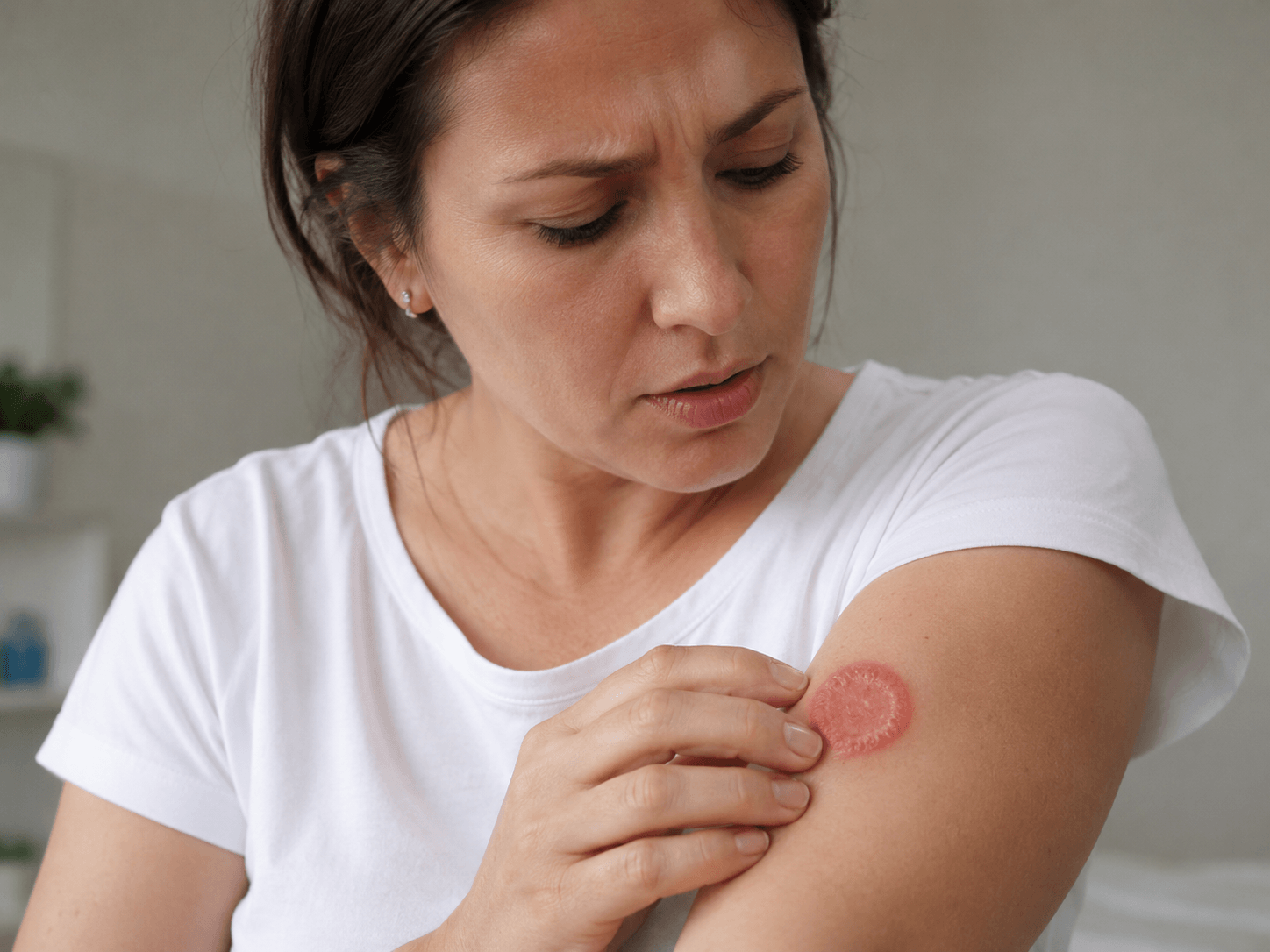
Ringworm, medically known as tinea corporis, is a common fungal skin infection that despite its name has nothing to do with worms. It causes a distinctive circular, red, scaly rash and spreads easily through contact with infected people
Shingles is a painful, blistering rash caused by the reactivation of the varicella-zoster virus, the same virus responsible for chickenpox. If you’ve had chickenpox in the past, that virus remains dormant in your body
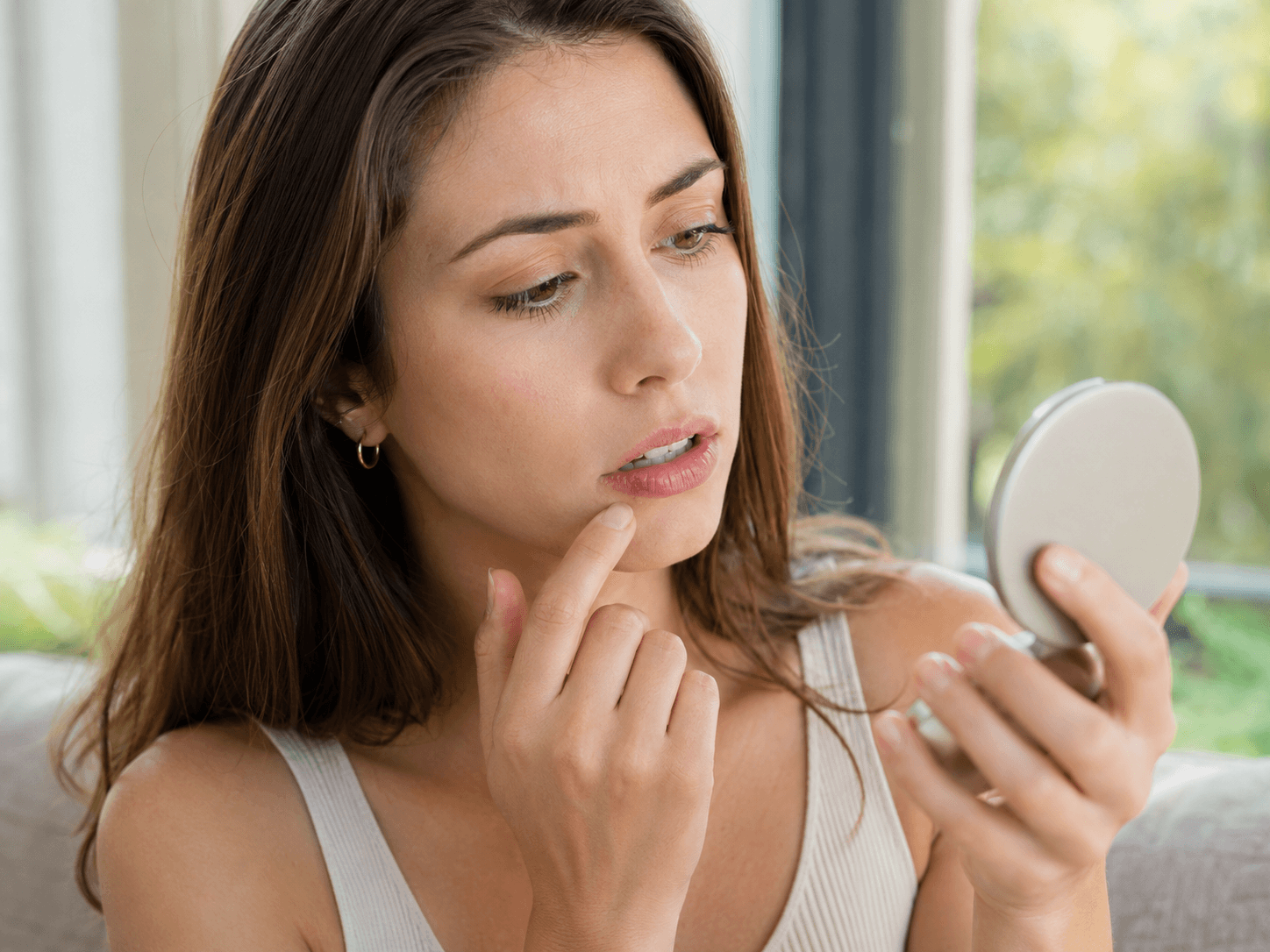
Cold sores, also called fever blisters, are small clusters of fluid-filled blisters that appear on or around the lips, caused by the herpes simplex virus (usually HSV-1). They’re extremely common, and once you’re infected.
Fungal skin infections are among the most common conditions we treat, especially in a warm, humid climate like Jupiter’s, where fungi that normally live harmlessly on the skin can multiply out of control.